Introduction
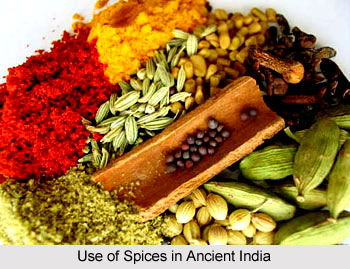
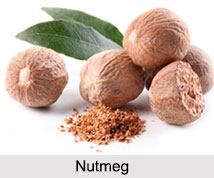 Nutmeg is a spice that is commonly used in the preparation of various dishes across various cuisines. It is valued for its sweet aroma. In Indian cuisine, nutmeg has varied uses in many sweet as well as savoury dishes. The spice is also a regular feature in Mughlai cuisine, being used as part of the various masala mixes for the meat preparations.
Nutmeg is an evergreen tree. The nutmeg tree is important for two spices derived from the fruit, Nutmeg and Mace. The Nutmeg is available from the fruit of the Nutmeg tree. The fruit is generally small almost the size of an egg. It has a yellow fruit inside and when it is cut in half there is a red covering inside which is known as Mace, when it is dried. Below that is a Nut, which is the actual Nutmeg.
Etymology of Nutmeg
It is produced from the "Myristica Fragrans", a member of the "Mayriticaceae" family. The plant is native to Moluccas Islands in an area of Indonesia also known as Spice Islands. It is known as "Jaiphal" in most parts of India and as "Jatipatri" and "Jathi" in Kerala, "Jajikayi" in Telugu, "Jaadhikai" in Tamil and "Jeerake" in Kannada.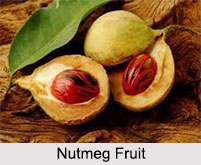
There are a number of species of nutmeg that are available. Amongst these, the common or fragrant Nutmeg, Myristica Fragrans, is grown in Kerala. Another species of nutmeg found in India is the Bombay Nutmeg, known as "Jaiphal" in Hindi.
Properties of Nutmeg
Nutmeg is only a spice that is used sparingly in dishes; it can still impact health in a variety of ways, mainly due to its nutritive content of vitamins, minerals and organic compounds related to the essential oils. These beneficial components include dietary fibre, manganese, thiamine, vitamin B6, foliate, magnesium, copper and macelignan.
Uses of Nutmeg
 Nutmeg is available from a tree that in an area of Indonesia that is known as the Spice Islands. The fruit that grows is the Nutmeg seed. The seed has a yellow fruit inside and when it is cut in half there is a red covering inside. Under that there is a nut, which is the actual nutmeg. There are various uses of nutmeg that makes the product a useful one in day to day life. It is used for various purposes like health benefits, essential oils, preparation of food etc.
The spice also has some health benefits as well. It can be used to keep away boils, broken bones and rheumatism. There was a common belief that the spice could keep the plague away during Elizabethan times and became a very highly valuable. It is also used to treat conditions such as gastroenteritis, dysentery, vomiting, indigestion and bloating. It can be found in applications of Ayurvedic medicine to treat many digestive conditions, premature ejaculation and urinary incontinence. It can help with the treatment of arthritis, neuralgia, muscle pain and poor circulation.
Nutmeg is well known as an addition to sweet recipes like Puddings and Pies. It can also be used on meat dishes for an extra added flavour. It is used for cooking of vegetables and Cheese dishes. Nutmeg and Mace have similar taste qualities with Nutmeg having a slightly sweeter taste. In Indian cuisine, Nutmeg is used sweets as well as savoury dishes (mostly in Mughlai cuisine). It is known as Jaiphal in most parts of India and as Jatipatri and Jathi seed in Kerala. It may also be used in small quantities in Garam Masala. Various other commercial products are also produced from this tree like Essential Oils, Extracted Oleoresins, and Nutmeg Butter etc.
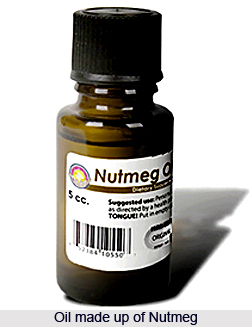
The essential oil is obtained by the steam distillation of ground nutmeg and is used in the perfumery and pharmaceutical industries. The oil is colourless or light yellow, and smells and tastes like nutmeg and is used as natural food flavouring in baked goods, syrups, beverages, and sweets. The essential oil is also used in the cosmetic and pharmaceutical industries like toothpaste, and as a major ingredient in some cough syrups. In traditional medicine nutmeg and nutmeg oil were used for illnesses related to the nervous and digestive systems. Nutmeg butter is obtained from the nut by expression. It is semi-solid, reddish brown in colour, and tastes and smells like nutmeg. This can be mixed with other fats like cottonseed oil or palm oil, and has applications as an industrial lubricant.
Like other Indian herbs and spices nutmeg also has varied health benefits but most of them are not tested yet. In the earlier times it was used for almost everything from stomach cramps to a cure for the plague. Studies reveal that it helps in low blood pressure and soothing for stomach ache, stop diarrhoea and also helps to detoxify the body. The Nutmeg oil is also use to stimulate the brain - it relieves stress and stimulates mental activity. Nutmeg also posses anti-inflammatory properties and can be used to treat joint and muscle pain. The oil works well for this when it is massaged into the affected area. It is an integral herb in Chinese medicine where it is used for stomach pain and inflammation as well as reducing joint swelling. Nutmeg oil is also a good herb for the kidney, helping it dissolve kidney stones as well as relieve infections. Nutmeg is also used for respiratory problems such as cough from the common cold. Hence, it can be seen that nutmeg can be used both in health matter and adding up spice in food preparation.
Use of Nutmeg as Medicines
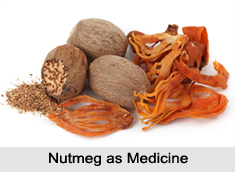 Nutmeg, botanically named as Myristica Officinalis is not one spice, but two. Mace is the dried lacy membrane from around the nutmeg seed. Both nutmegs and mace enter into the composition of numerous medicines as aromatic adjuncts, but there is no peculiarity in their use that needs special consideration. An infusion of nutmegs is recommended by several writers as a serviceable drink in the thirst of cholera patients.
Nutmeg Oil
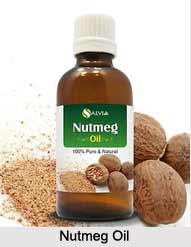 Nutmeg Oil is derived from Nutmeg (Myristica fragrans), one of the two spices derived from several tree species of the Myristica family. These are evergreen trees growing up to 20 metres (65 feet) with dense foliage and small faded yellow flowers, native to the Moluccas (Maluku Islands in Indonesia) but also found in Penang (in Malaysia), Java (in Indonesia) and Sri Lanka. The volatile essential oil is obtained by steam distillation of dried kernels of ripe nutmeg seeds. The oil was used by ancient civilizations; Indians used it to help treat intestinal ailments. Also used in Ayurvedic medicine, the oil in aromatherapy is used to fight inflammations, muscular and rheumatic pain, assist the digestive and reproductive systems and stimulate the mind. It has a sharp, spicy and rather musky aroma.
Health Benefits of Nutmeg Oil : Nutmeg Oil has immense therapeutic properties of an antiseptic, carminative, sedative, antispasmodic, stimulant, anti-rheumatic, digestive, laxative, tonic etc. The different benefits derived from it include:
•Relief from congestion and cold symptoms;
•Detoxification of Liver;
•Treatment of Kidney infections and diseases;
•Moderation and normalisation of depression, mood swings and hormonal imbalance;
•Stimulation of cardiovascular system;
•Removal of bad breath through its aroma;
•Relief from toothaches and aching gums;
•Relief from stomach aches.
Nutmeg Oil can act as a natural painkiller and treat menstrual discomfort with its emmenagogue properties. It has a sedating effect that relieves stress and drives sound sleep. It stimulates the mind and enhances concentration. It is helpful in fighting gallstones, nausea, chronic vomiting and diarrhoea. It also encourages appetite and averts constipation. It can bring relief from impotence and aid births by strengthening contractions.
Other Uses of Nutmeg Oil : Apart from the medicinal angle, Nutmeg Oil is a natural flavouring substitute to ground nutmeg which can leave food particles in food and beverages. It is used in manufacturing of soaps given its antiseptic properties. Also being an antibacterial along with antiseptic, it is used in making many cosmetic products, particularly meant for oily, dull and wrinkled skin. It is also applied in men"s aftershave lotions. Due to its pleasant aroma it is also used in room fresheners and perfumes. It is also used in the tobacco industry, to slightly alter the flavour of the tobacco blend. Nutmeg Oil also blends well with other essential oils such as lavender, rosemary, eucalyptus, ginger, black pepper, clary sage and others.
Precautions in Nutmeg Oil : Nutmeg oil is considered non-toxic, non-irritant and non-sensitizing, yet in excess dosage may become toxic with symptoms such as nausea and stupor. The myristicin content of this oil has hallucinogenic properties. The oil should be used in moderation and always after diluted with a carrier oil, such as olive, coconut or almond, as it is very concentrated like other essential oils. Being a stimulant, it should not be used by people with epilepsy and avoided in pregnancy. It should be cautiously used to see if it causes any sensitivity and thus should be kept away from children under the age of 6.
Side Effects of Nutmeg Oil : Overdose of Nutmeg Oil can act as a stimulant or depressant to the central nervous system, resulting in any of the given side effects:
•Hallucinations and delirium
•Visual impairment
•Prolonged sleep
•Vomiting
Nutmeg Oil and its aroma can be helpful to the digestive and nervous systems, muscular aches and invigorating the mind when consumed using burners and vaporizers. It can relieve gout, rheumatism and arthritis, gallstones, circulation and sexual problems when used as blended massage oil or diluted in bath. In creams and lotions, it is useful for the skin and hair.